Two worlds, one pit lane
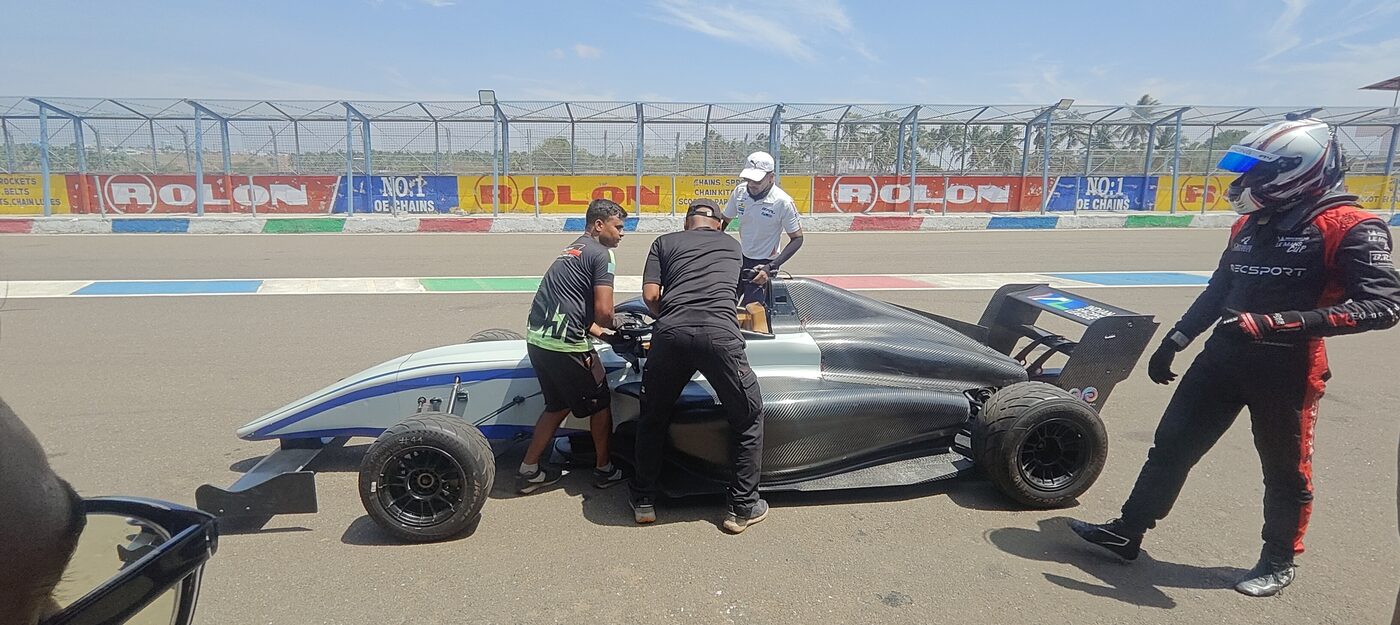
There's a version of motorsport that lives entirely on a screen — lap times, sector deltas, telemetry traces. I'd spent months getting comfortable in that version. Stage 2 of MEGA 2026, the Indian Motorsports Academy's Trackside Training block, put me somewhere else entirely: standing in the pit lane at Kari Motor Speedway, watching an F4 car roll in and everyone around it already moving before it had fully stopped.
The mechanics were on the tyres immediately. The race engineer was already pulling data and walking the driver through a debrief in the same breath. Nobody was waiting for anyone else to finish. It was the clearest demonstration I've seen of something I understood abstractly but hadn't really felt until then: in the pit lane, every minute is accounted for, and the car's next run is built in real time out of driver feedback, data, and mechanical work happening simultaneously.
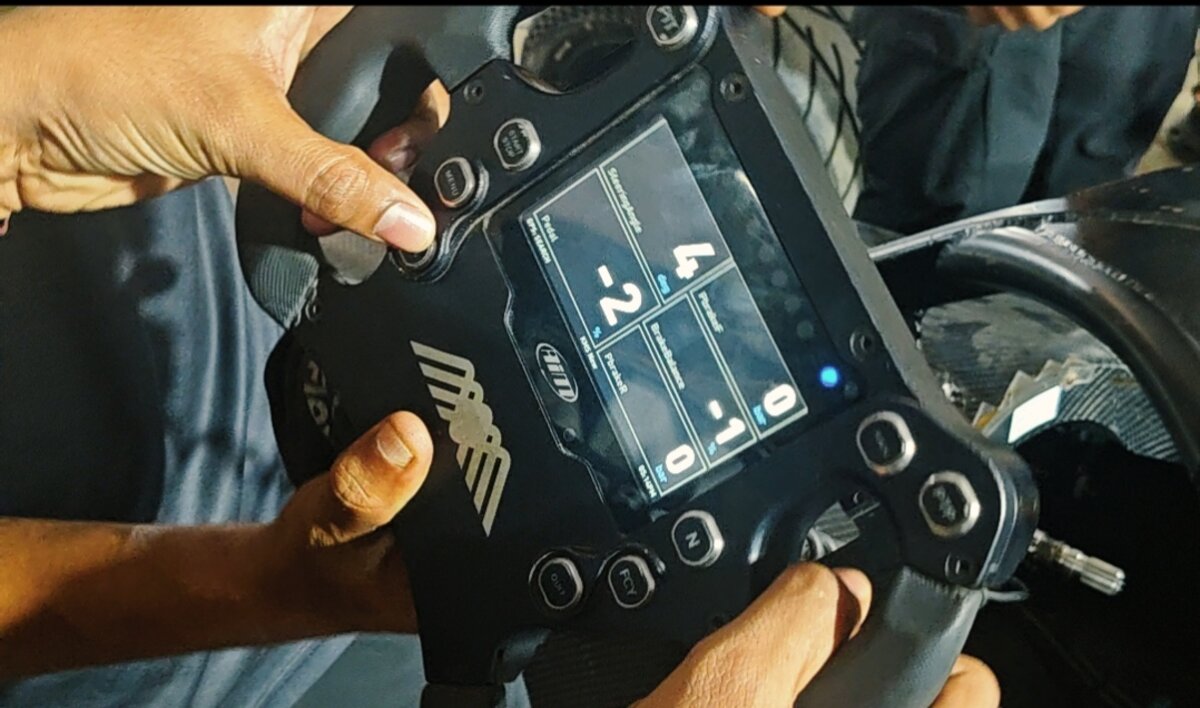
Where driver feel meets engineering judgment
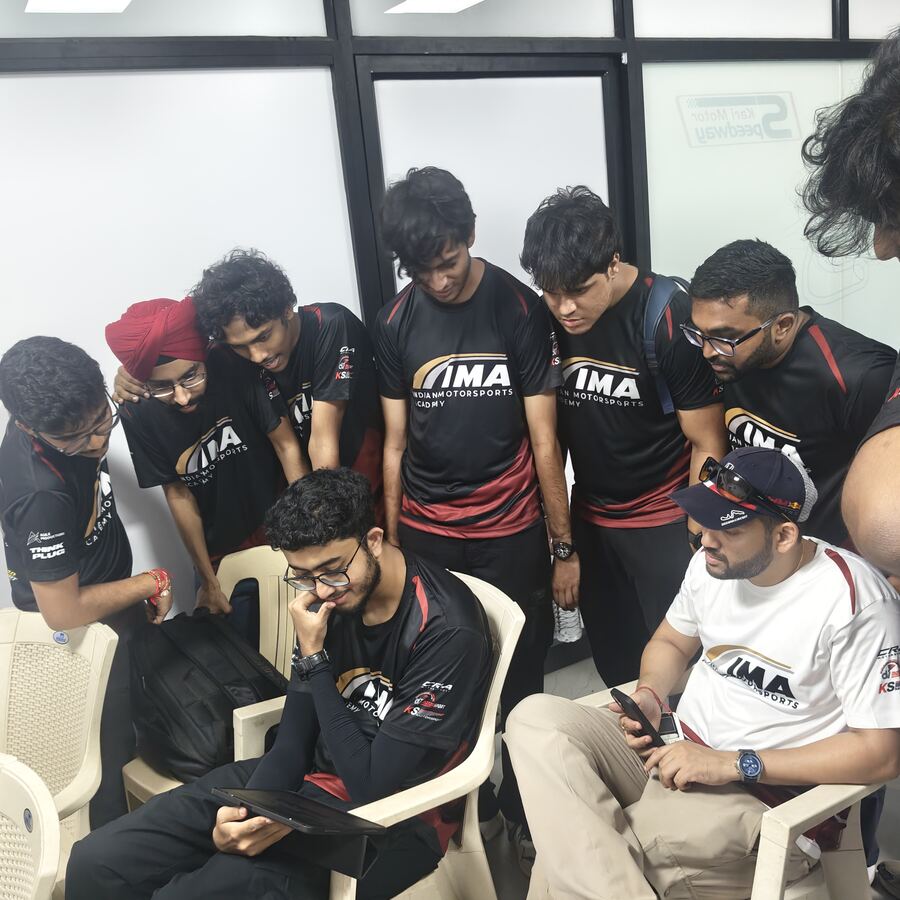
That theme — driver feel meeting engineering judgment — became the spine of Day 2. We ran a simulated driver debrief, which sounds simple until you're the one on the other side of it. A driver will describe what the car is doing in a handful of words. The job of the engineer is to take that fragment, cross-reference it against the data, isolate what's actually going wrong, and decide what to change — all with very little time to think it through out loud.
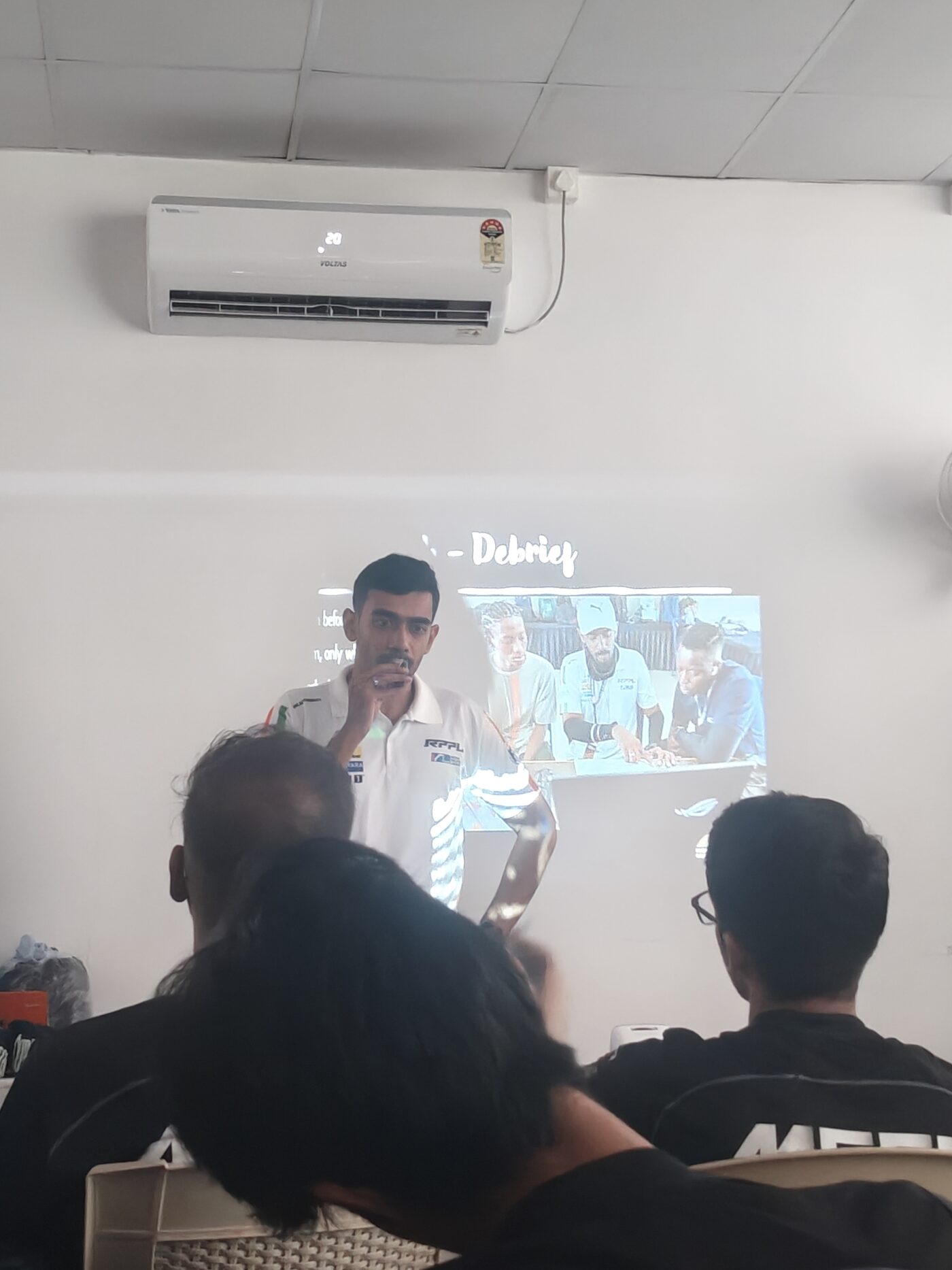
"Great race engineering starts with listening. A driver may describe what the car is doing in a few words, but the engineer has to dig deeper — understand the feeling, correlate it with the data, identify the actual problem, and decide what needs to change."
— from my MEGA 2026, Day 2 notesIt was a genuinely humbling exercise in listening and translating under pressure, and it reframed race engineering for me as fundamentally a communication discipline before it's a technical one. The day got even better with a visit to the pits during an Indian F4 shakedown — seeing the cars up close and standing inside a live motorsport environment was one of the clear highlights.
Race day, up close
Day 3 pushed that further, from two more angles. In the morning, during an F4 testing session, I watched the same loop again — tyres, data, debrief — but this time with more context for what I was seeing: the coordination between driver, race engineer, and mechanics, and how much of the car's next run is decided in the two or three minutes right after it comes in. A career guidance session that day, led by Shubham Sangodkar, CEO of the Indian Motorsports Academy, added something I hadn't expected to think about yet — what the actual path into this industry looks like, beyond the engineering itself.
Reading a circuit like a driver
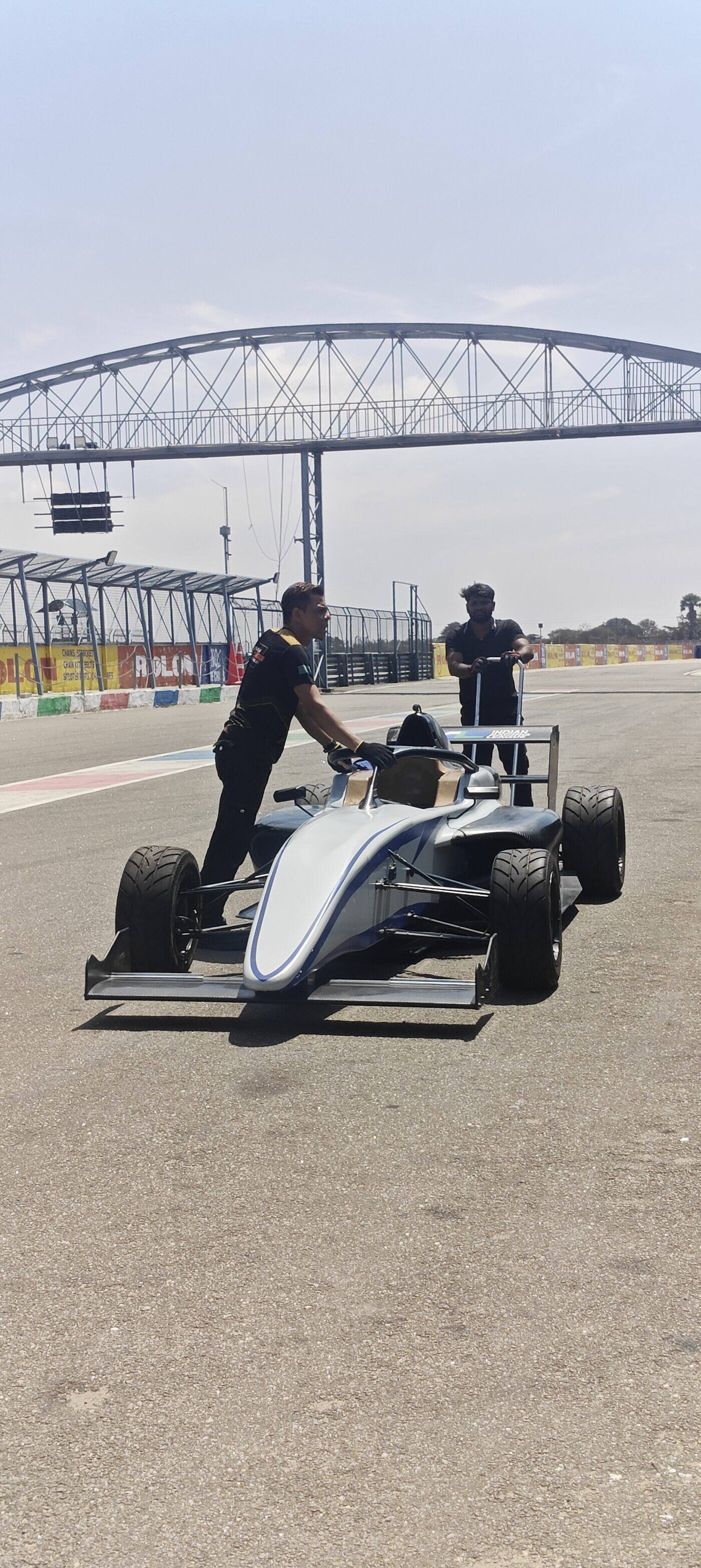
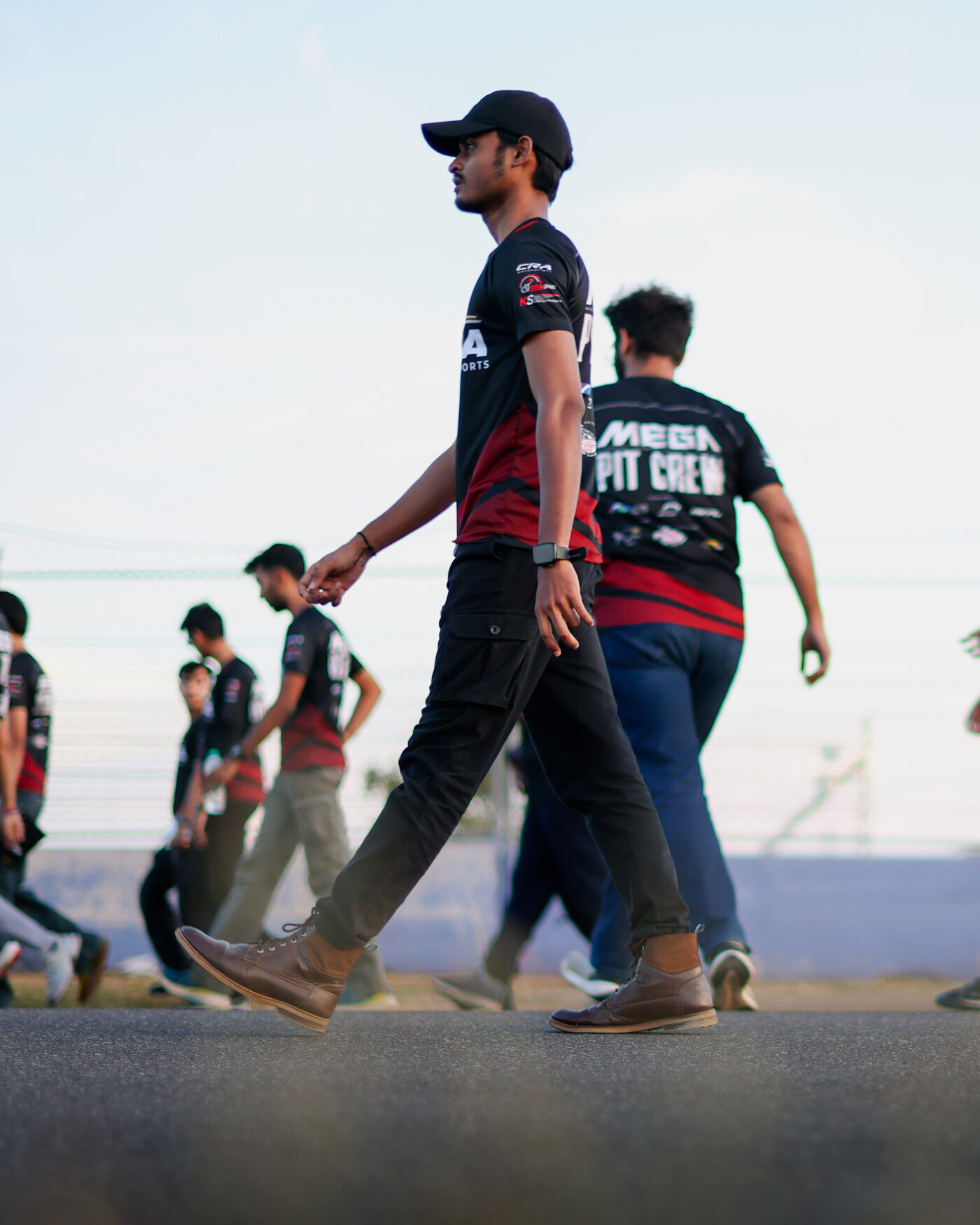
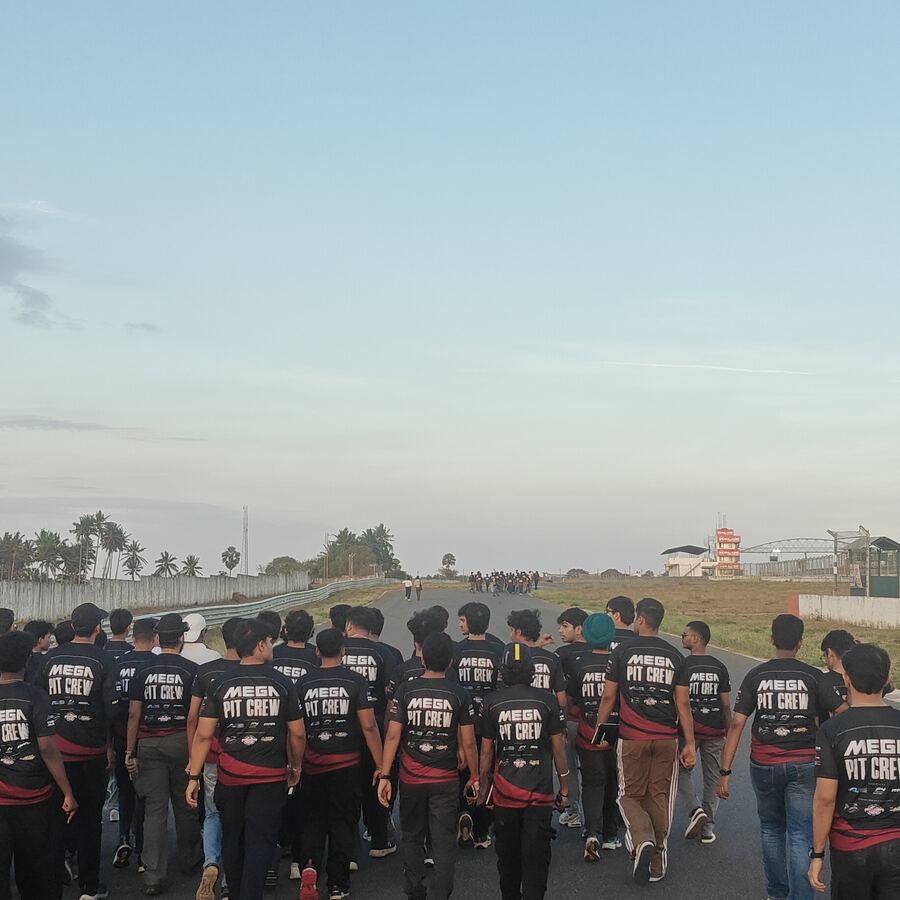
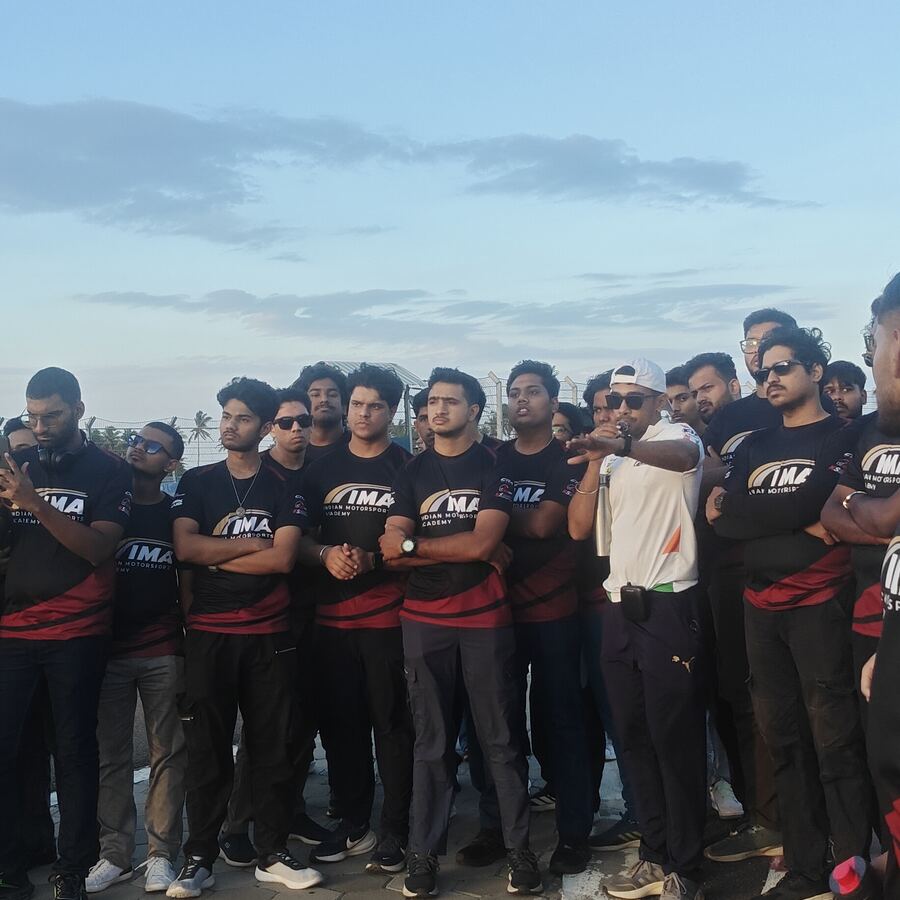
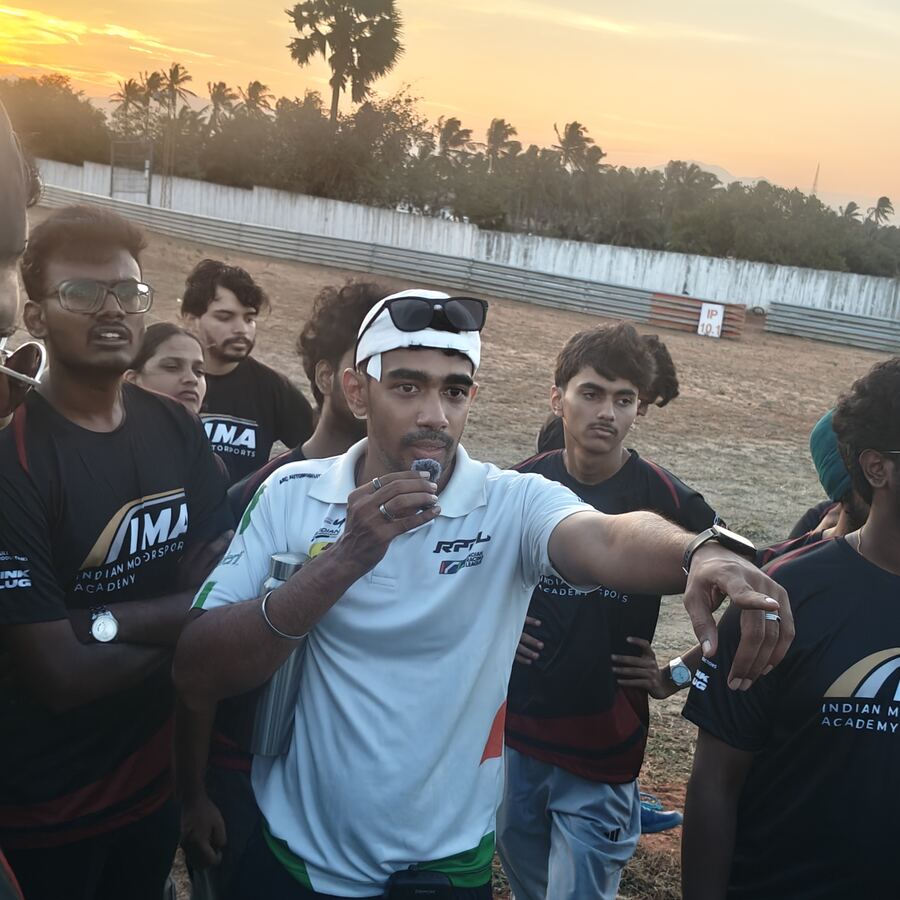
The afternoon was the part that changed how I look at a circuit. We walked the track with Prashanth Barathan explaining it from a driver's perspective — braking points, racing lines, corner entry and exit, how a driver carries speed through different corners, and why each section of a track has its own character and demands. I've looked at circuit maps and sector splits plenty of times. I had never walked a braking zone and had someone explain why it's a braking zone in exactly that spot. It's a different kind of knowledge, and it doesn't show up in any dataset I've worked with.
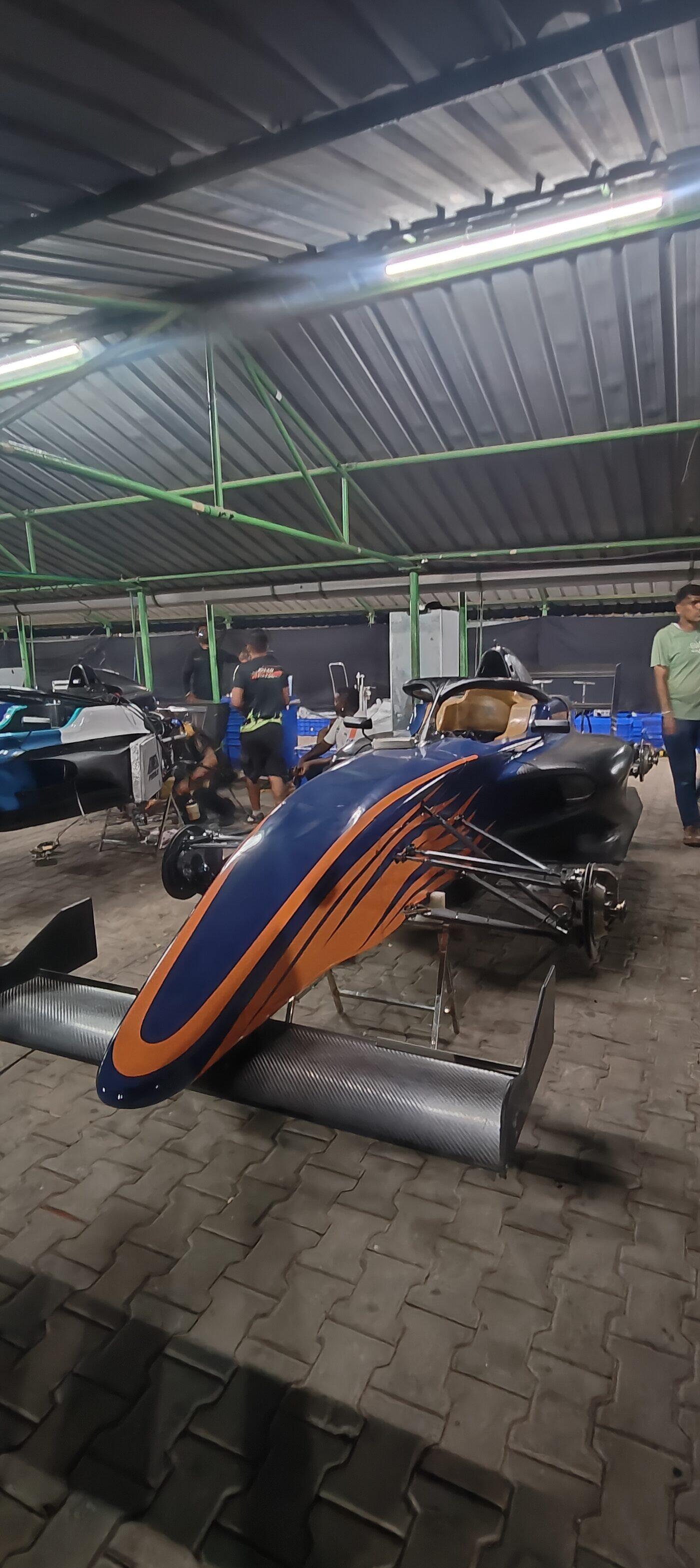
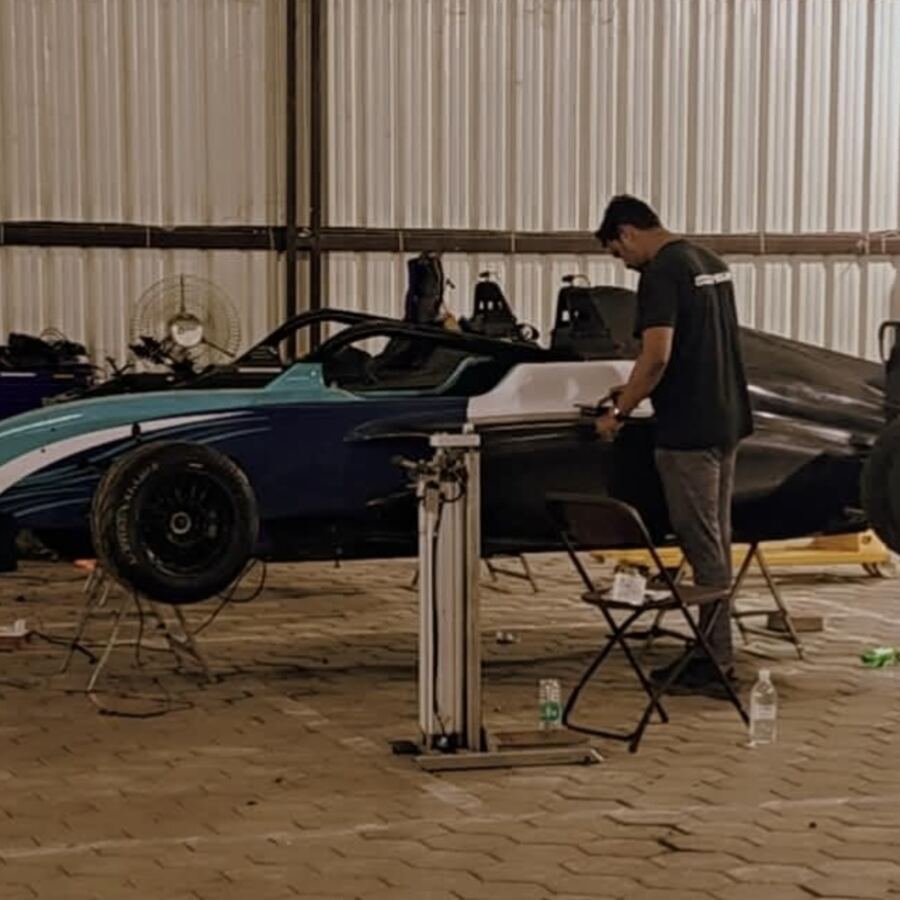
Later that day, watching the mechanics work on the F4 car up close added the last piece — the level of preparation, precision, and teamwork required behind a car that, from the stands, simply looks fast.
What four days added up to
By the time the training wrapped, the thing that stuck with me most wasn't any single session — it was the pattern across all of them. A driver's performance is only ever one part of the equation. Engineering, data, communication, preparation, and teamwork all have to come together for a car to perform at its best, and I got to see that equation assembled in real time: from the pit wall, the debrief room, and the racing line itself.
"This experience has only made me certain about the path I want to pursue. From learning about motorsport to experiencing it trackside — MEGA 2026 was another step closer to the goal."
— Santhosh Reddy Pilli, closing out MEGA 2026 Stage 2Stage 2 timeline
More from the four days
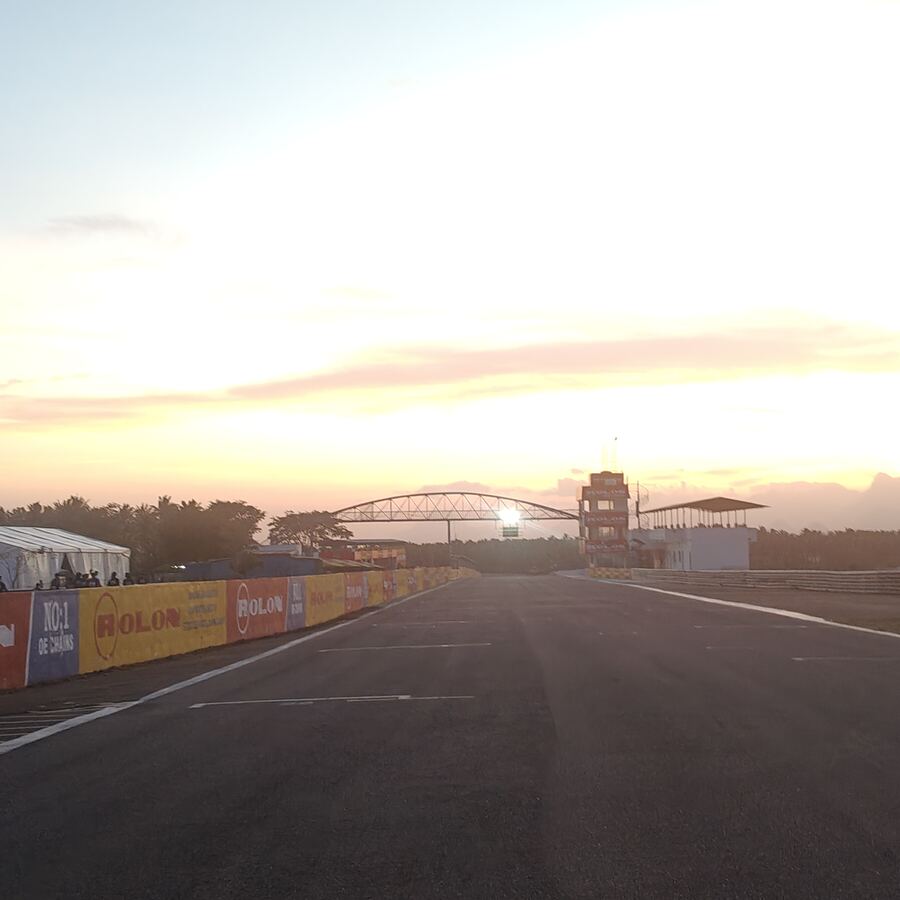
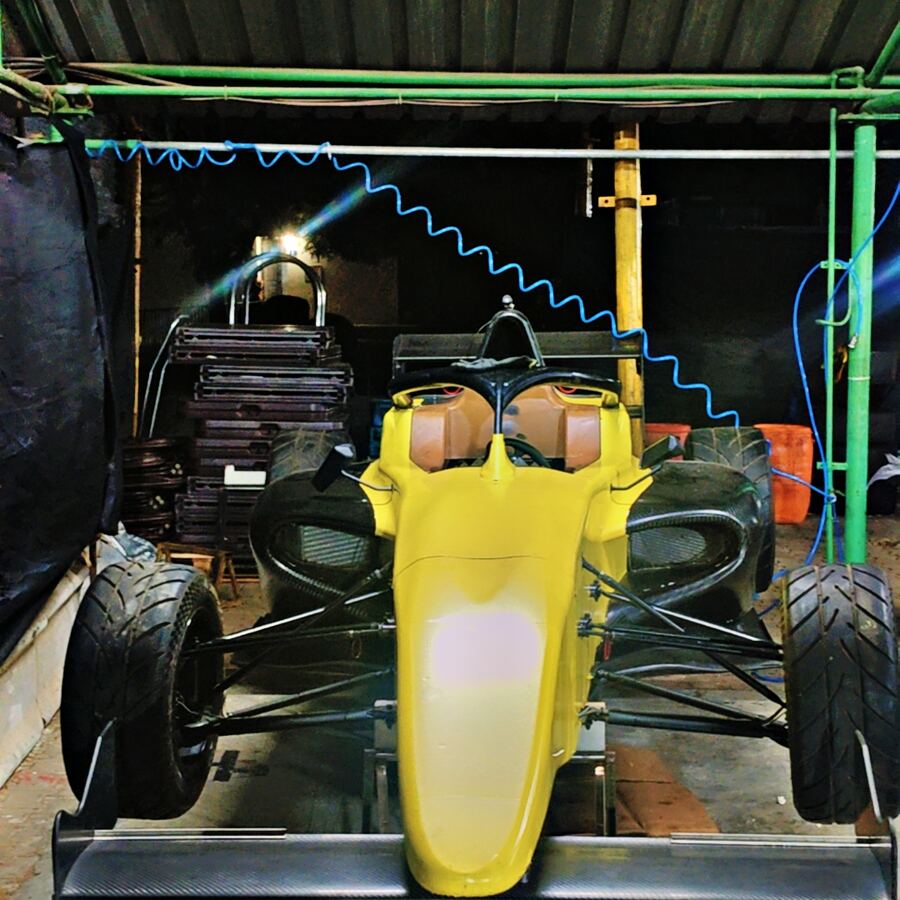
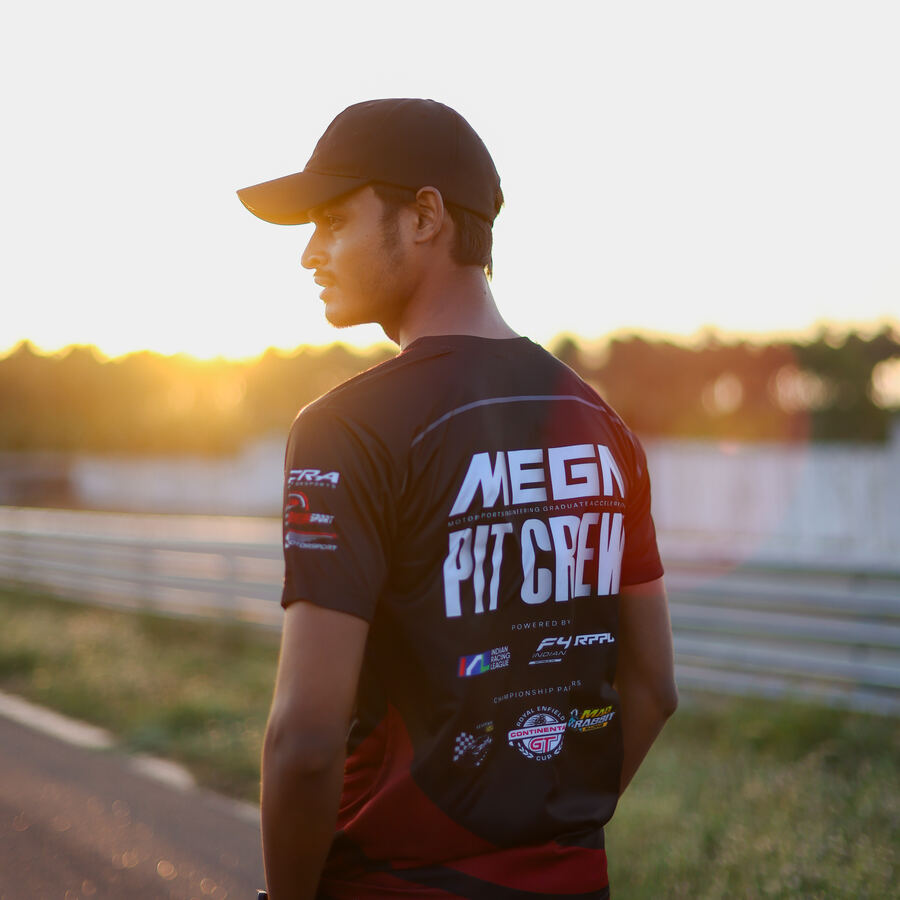
A few more frames from Stage 2 — the walk-throughs, the huddles, and the cars themselves, before and after they hit the track.
Mentors & guidance
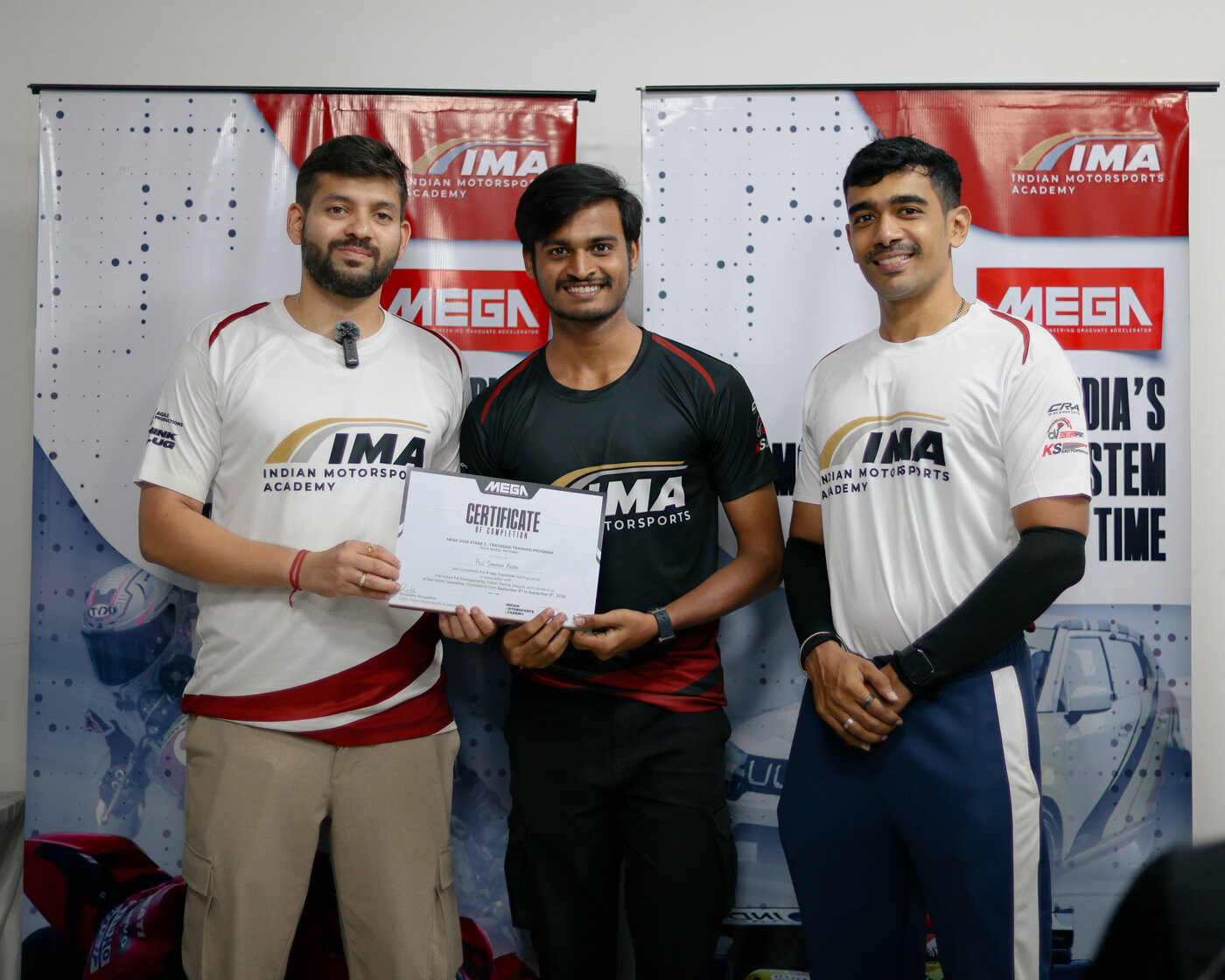
A huge thank you to the Indian Motorsports Academy for creating such a valuable hands-on learning experience, and to Shubham and Prashanth for sharing their knowledge, guidance, and insight into the world of professional motorsport.

