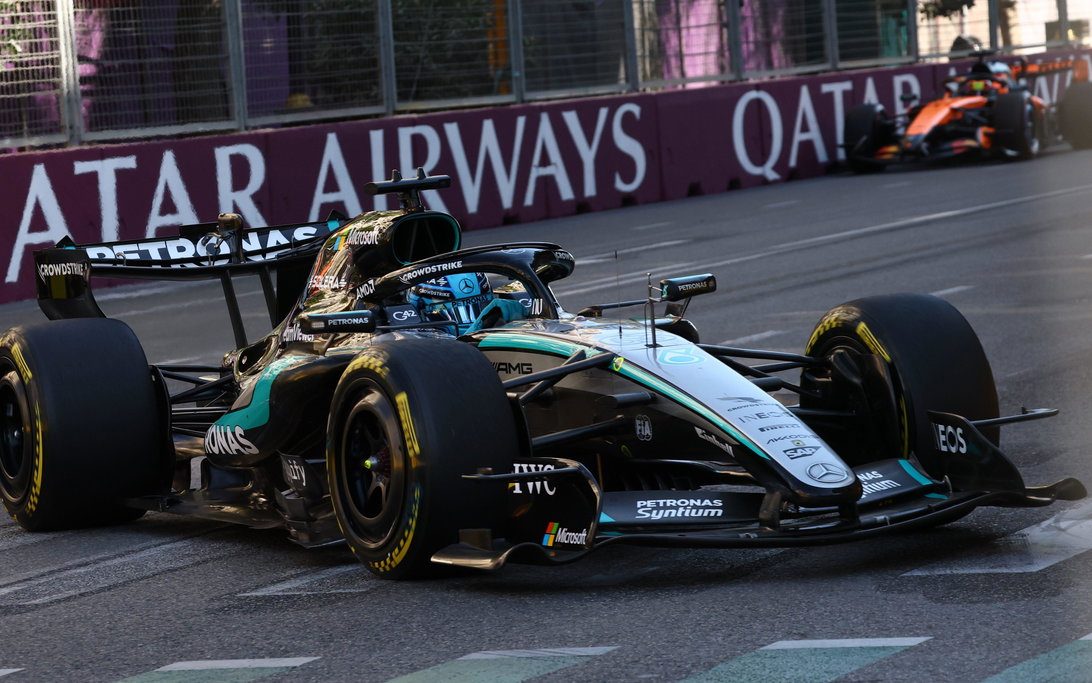
Why the Bahrain Grand Prix was in Malaysia
The Bahrain Grand Prix was meant to be round four, at Sakhir on 10–12 April. It was cancelled, along with the Saudi Arabian round in Jeddah the following week, because of the war in the Middle East. In late July, Formula 1 and the FIA announced a fix: the race would be run at Sepang International Circuit in Malaysia on 2–4 October, but keep Bahrain's name. Its official title became the Formula 1 Gulf Air Bahrain Grand Prix in Malaysia, and reports said Bahrain would cover most of the cost. Saudi Arabia was not rescheduled.
It sounds strange, but it isn't new. The Nürburgring hosted the Luxembourg Grand Prix, Imola ran the San Marino Grand Prix for years, and the Swiss Grand Prix was once held in France. It also gave Sepang its first F1 race since 2017, the year the Malaysian Grand Prix left the calendar. The slot made it the middle race of a Baku–Sepang–Singapore triple-header.
Qualifying: Red Bull's first pole of the year
Sepang is known for long, fast corners, wide racing lines and tropical weather that can change in minutes. On Saturday it was dry, and Verstappen took his and Red Bull's first pole position of 2026, just ahead of Lewis Hamilton's Ferrari. Isack Hadjar qualified third in the second Red Bull, but a five-place grid penalty for extra power-unit parts dropped him to eighth. That promoted championship leader Kimi Antonelli to third and Charles Leclerc to fourth, with the two McLarens next and George Russell seventh.
Two drivers started from the very back. Franco Colapinto had a five-place penalty carried over from his Turn 1 crash in Baku plus ten places for new power-unit parts. Arvid Lindblad's new components added up to a 30-place drop.
Practice had shown heavy tyre wear, and Pirelli expected two or three stops. Then the weather made all of that planning irrelevant.
The storm, the delay, and a red-flagged formation lap
In the hour before the scheduled 15:00 start, a heavy thunderstorm soaked the track. Race Control delayed the start, and the Medical Car's inspection laps found standing water in several places. Marshals swept water off the track as the rain eased, and the formation lap finally began around 15:40, with everyone on intermediates behind the Safety Car.
It went wrong almost immediately. Hadjar slid into the gravel at Turn 2. Verstappen and Hamilton both reported that the car wasn't responding to the throttle, and Hamilton stopped on the main straight while Ferrari worked on what it called a software problem. With several cars struggling at such low speed, Race Control suspended the start and showed the red flag. Everyone returned to the pit lane.
From an engineering point of view this is an interesting failure. The 2026 power units rely much more heavily on electrical energy than the previous generation, and very slow running on a wet track is far from the conditions their control systems are built around. The teams haven't published exact causes, but several cars hitting drivability problems at once suggests this was a systems issue, not just driver error.
The race was lost and won before the lights went out. The tyre choice for the restart split the field into two different races.
— Pit Wall Notes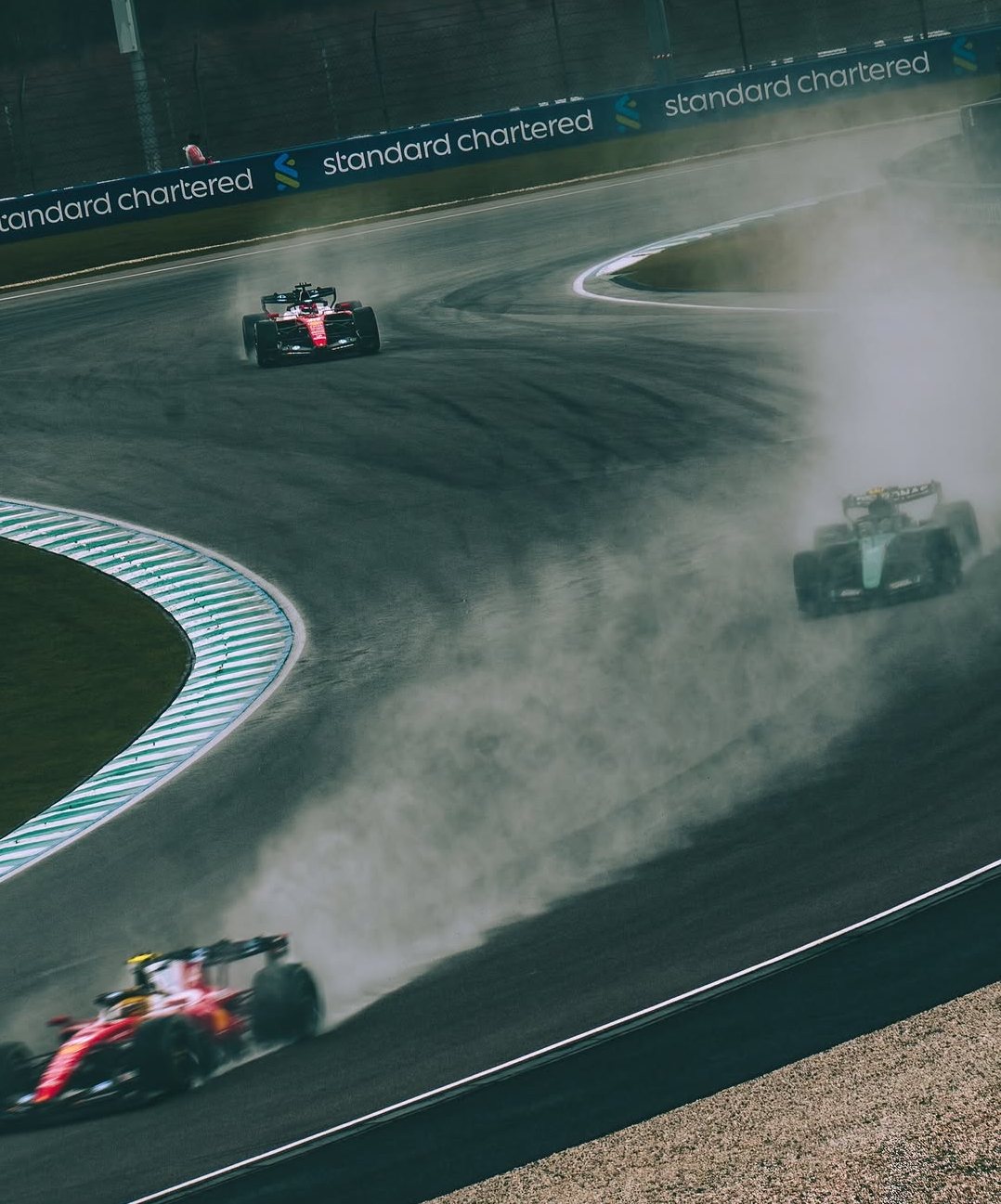
The restart and the tyre split
The second start was set for 16:33, about 90 minutes late, with the original grid. By now the track was drying, and teams had to choose. Most stayed on intermediates. Hamilton, Leclerc, Gasly, Bortoleto, Hülkenberg, Bearman, Bottas, Pérez and Colapinto went to softs. Norris, Piastri, Alonso and Stroll chose mediums.
It was still slippery. Gasly nearly lost his car at Turn 5 on slicks during the formation laps. Pérez swapped to intermediates after the first lap behind the Safety Car, and Piastri, Bortoleto, Stroll and Hülkenberg followed one lap later. Then came a standing start.
Verstappen made a poor getaway. The two Mercedes went past into Turn 1 with Antonelli leading Russell, and Liam Lawson raced Verstappen side by side for third. The slick-tyre drivers slid straight down the order. Leclerc pitted for intermediates and needed a new front wing after contact with Hülkenberg at the start. Hamilton stayed out on slicks, and after some debate on the radio, Ferrari decided to keep going with the gamble.
Lap 9: the crossover window opens
Verstappen soon settled. He passed Russell into Turn 4 and closed on Antonelli. At the end of lap 8 Antonelli ran wide at the final corner. Just as Verstappen was lining up a pass, Valtteri Bottas, one of the drivers on slicks, spun off in the final sector and brought out the Safety Car.
For strategy, this was the most important moment of the race. Switching from intermediates to slicks is all about timing. Go too early and you have no grip on a damp track. Go too late and you lose time on intermediates that are overheating on a dry line. A Safety Car makes that decision much easier, because a pit stop costs far less time while the field is running slowly. The intermediate runners pitted together. Mercedes performed a quick stop under pressure to keep Antonelli ahead of Verstappen. The forecast extra rain never came, so the drivers who had started on slicks were left at the back with no advantage.
Intermediate
- VerstappenP1
- AntonelliP2
- HadjarP5
- LawsonP7
- LindbladP10
- OconP15
- SainzP17
- RussellDNF
- AlbonDNF
Soft
- HamiltonP3
- LeclercP4
- HülkenbergP11
- ColapintoP13
- BearmanP14
- GaslyP16
- BortoletoP18
- PérezP19
- BottasDNF
Medium
- PiastriP6
- AlonsoP8
- NorrisP9
- StrollP12
Verstappen takes control
At the lap 13 restart, Verstappen sat in Antonelli's slipstream and went around the outside of Turn 1, completing the pass on the exit of Turn 2. Russell used the battle to take second from his teammate at Turn 5. Antonelli complained that he was faster but stuck in Russell's dirty air. He retook second with a move into Turn 4 on lap 21, but by then Verstappen was about five seconds clear.
Antonelli then clipped the pit-entry bollard at the final corner and asked the team to check his front wing, and Verstappen's lead grew to around eight seconds. Russell was the first of the leaders to make his final stop on lap 33 and questioned the early timing on the radio. Verstappen and Antonelli stopped a lap later. All three went to softs.
In the midfield, Carlos Sainz was spun out of the top ten by Gabriel Bortoleto at Turn 2. Bortoleto later received a 10-second penalty. Hamilton, meanwhile, started climbing. He passed Lindblad, Ocon and Lawson to reach fifth, and was soon putting pressure on Hadjar, who angrily told his engineer he was "done".
The late neutralisations: a twelve-second lead tested again
On lap 43 Alex Albon stopped his Williams on track and brought out the Virtual Safety Car. Verstappen and Hamilton pitted for fresh tyres. Verstappen's 12-second lead wasn't quite enough, and he came out second behind Antonelli. A lap later Antonelli and Russell pitted too, and Verstappen was back in front. The recovery of Albon's car took long enough that a full Safety Car followed.
That was when Russell's race ended. Running behind the Safety Car, his Mercedes stopped on the start-finish straight just before Turn 1, with a suspected power-unit failure. Behind him, Lando Norris nearly hit Piastri under braking for Turn 1, ran through the gravel, and dropped to eleventh.
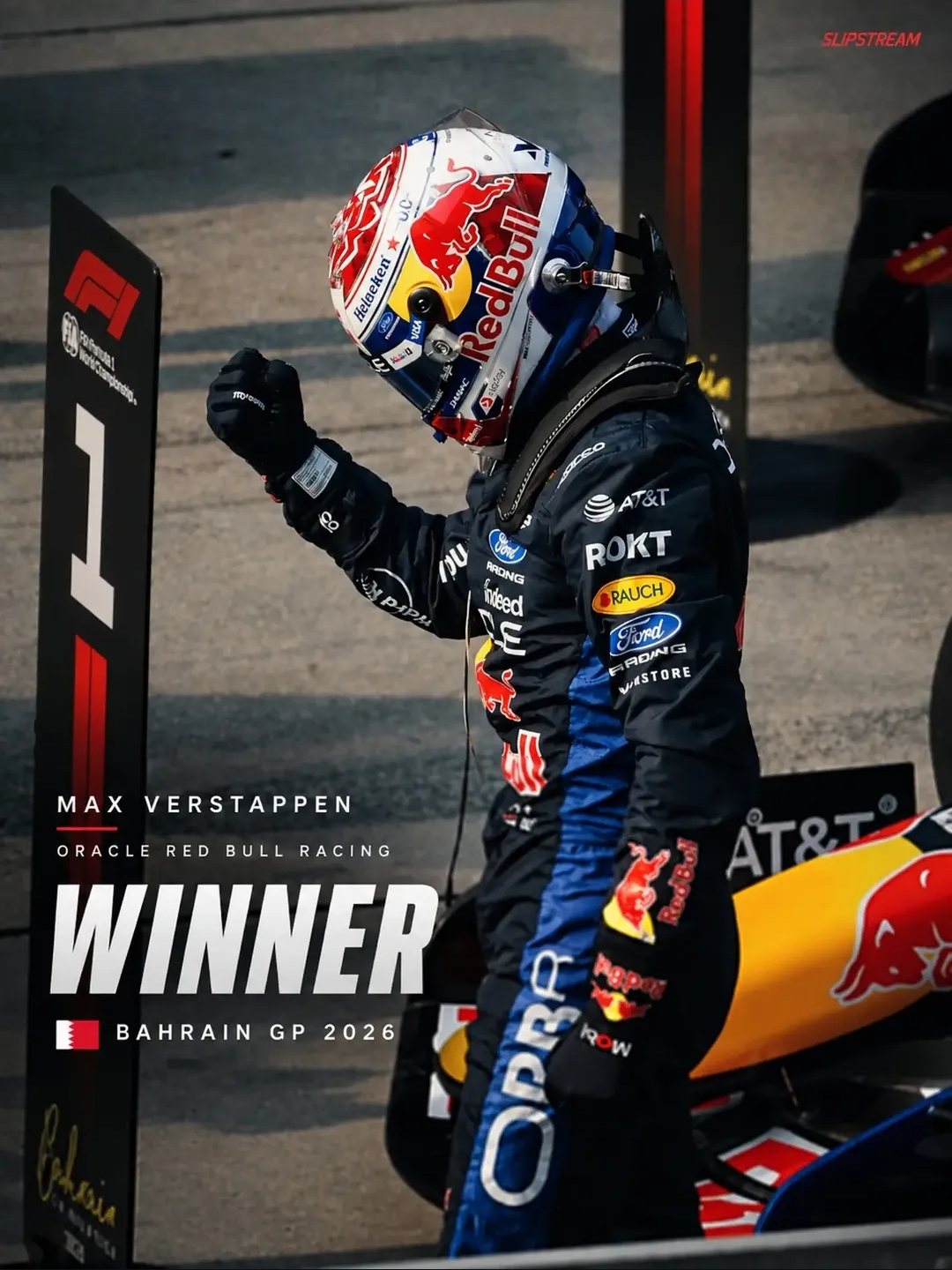
Verstappen got the final restart right and kept the lead. Hamilton passed Hadjar into Turn 1 for third a lap later, and Leclerc followed him through on the next lap. Verstappen controlled the last few laps and won by 2.3 seconds, his first win since the 2025 season finale in Abu Dhabi and his 72nd overall. He had also won the last F1 race at Sepang, in 2017.
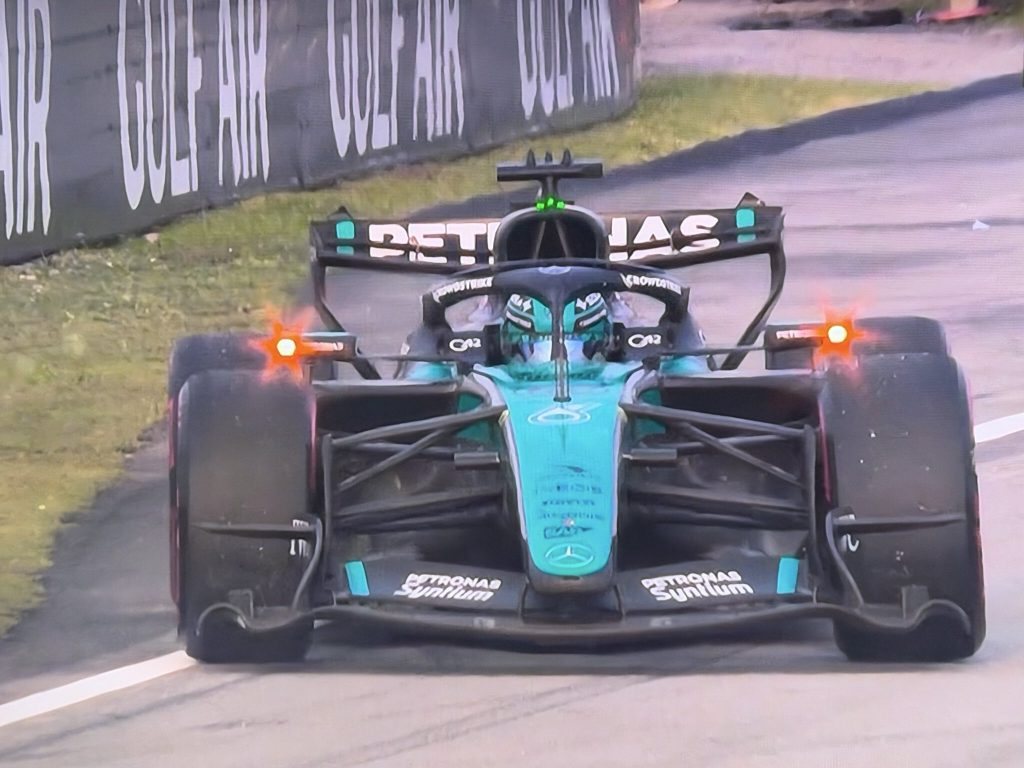
Ferrari's slick gamble: wrong call, good result
On paper, Ferrari's strategy failed. Both cars started on slicks, both fell to the back, and Leclerc needed an extra stop and a new nose. Yet they finished third and fourth, scoring 27 points. That says a lot about the Ferrari's race pace on dry tyres at Sepang, and about how much the two neutralisations reset the gaps. A strategy can be wrong at the start and still come good when the race is interrupted twice.
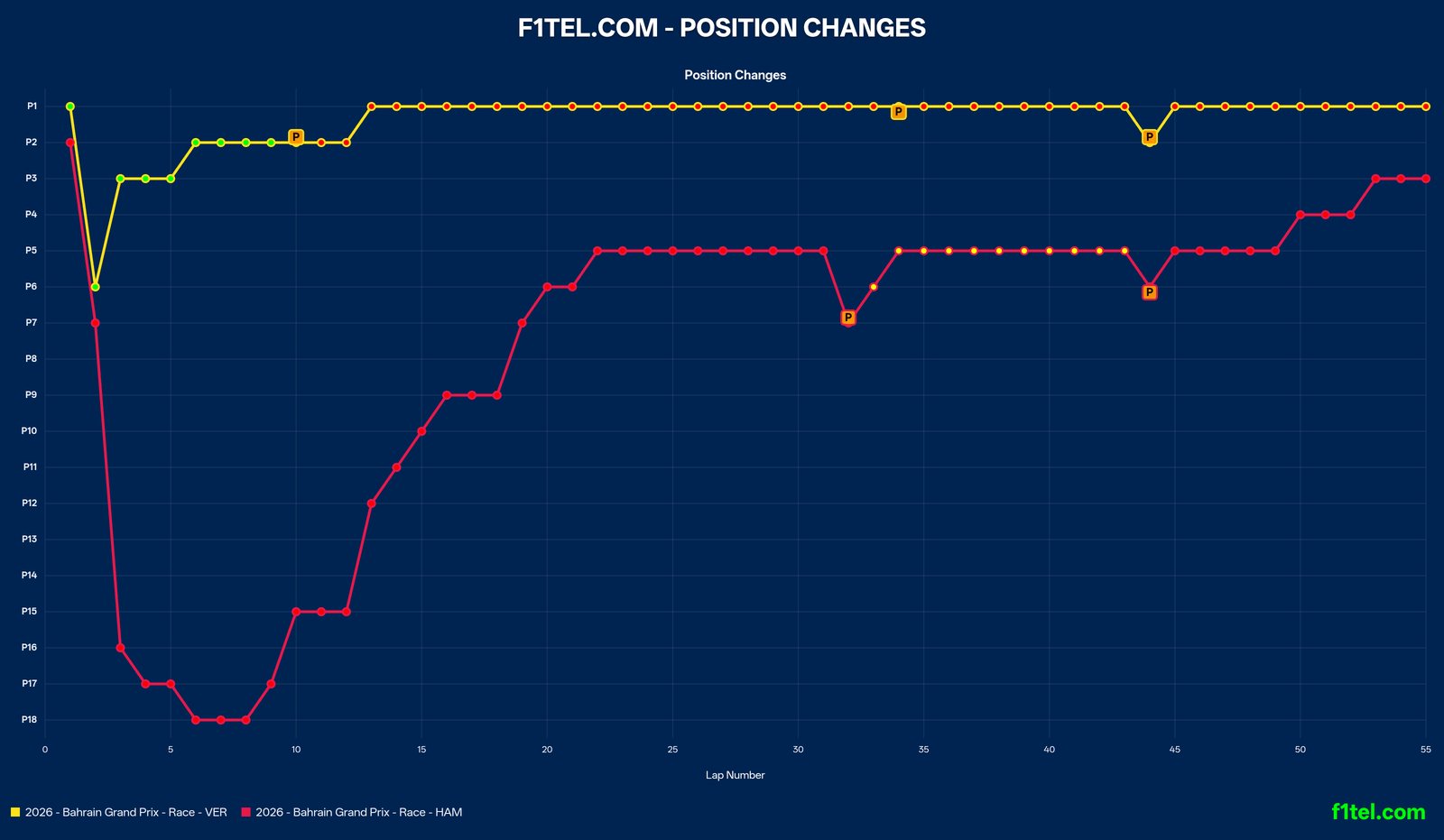
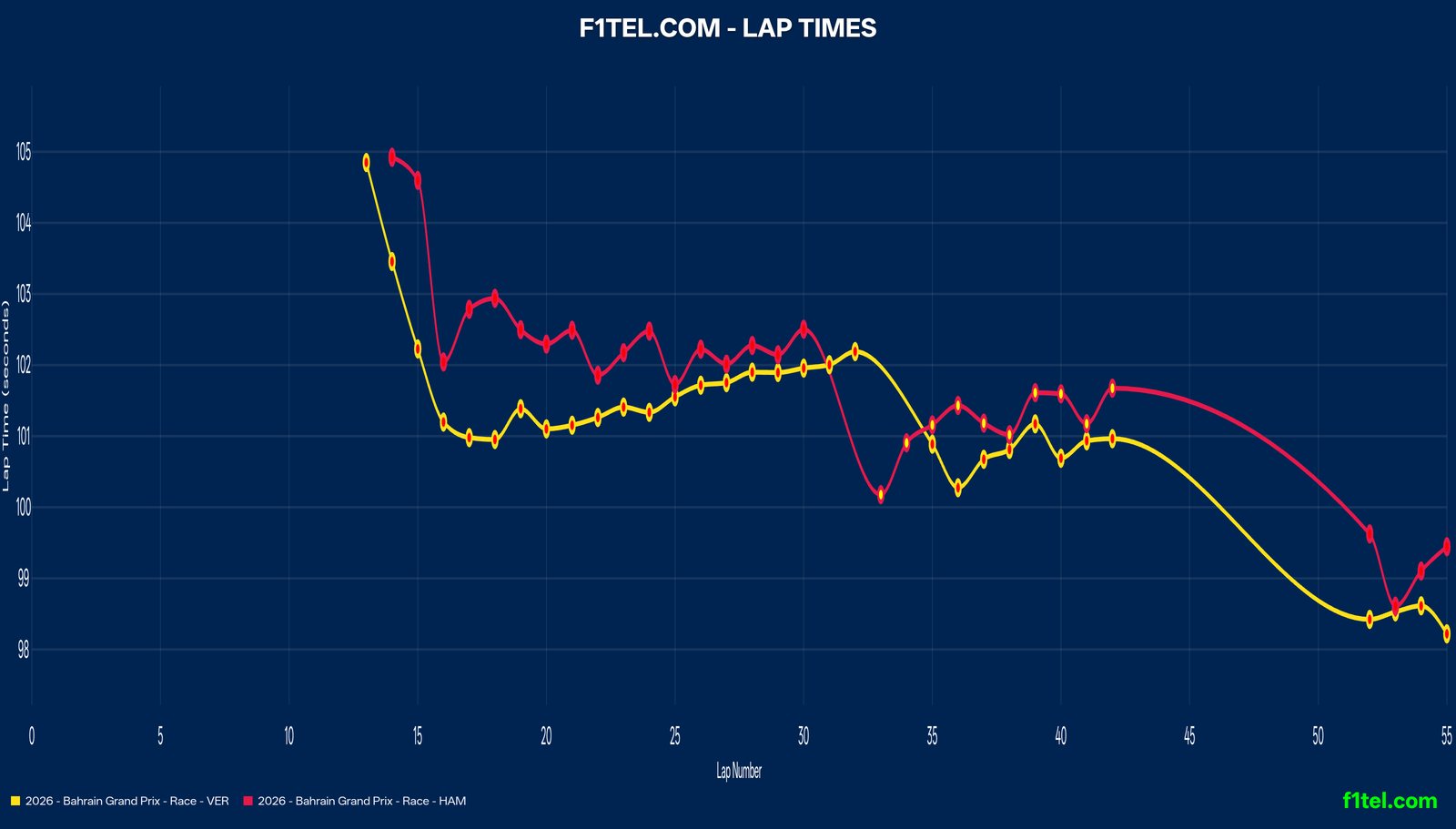
Championship arithmetic: 66 becomes 84
Russell had cut Antonelli's lead to 66 points by winning in Baku. With Russell out and Antonelli scoring 18 points for second, the gap is back to 84 points with seven rounds left. Verstappen's win takes him to 188 points, level with Norris. In the constructors' championship, Red Bull scored 35 points to McLaren's 10, which cuts McLaren's lead for third to 18 points.
Race narrative, lap by lap
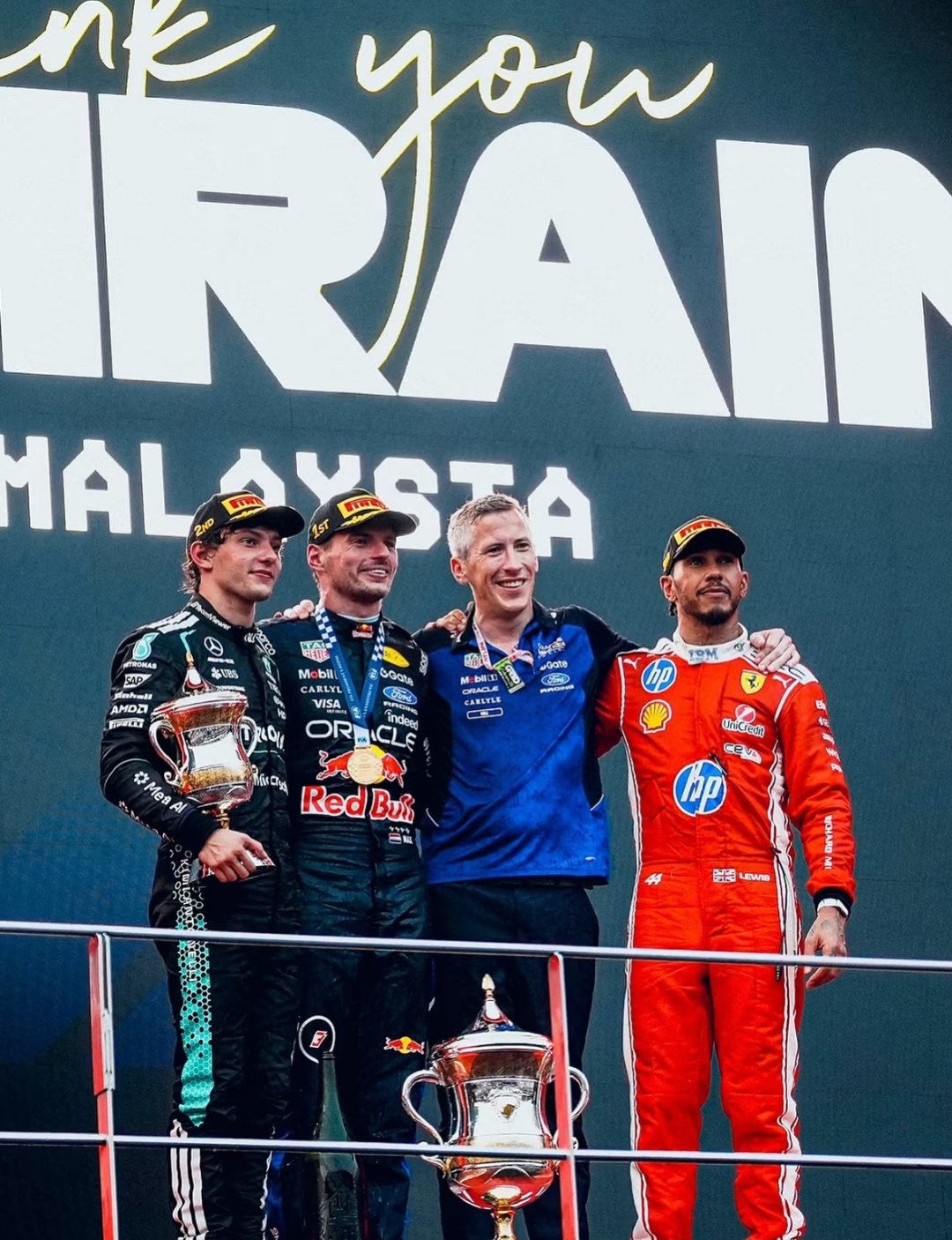
Podium & results
| Pos | Driver | Team | Gap | Pts |
|---|---|---|---|---|
| 1 | Max Verstappen | Red Bull Racing | 1:47:14.808 | 25 |
| 2 | Kimi Antonelli | Mercedes | +2.307s | 18 |
| 3 | Lewis Hamilton | Ferrari | +4.919s | 15 |
| 4 | Charles Leclerc | Ferrari | +7.258s | 12 |
| 5 | Isack Hadjar | Red Bull Racing | +8.571s | 10 |
| 6 | Oscar Piastri | McLaren | +9.454s | 8 |
| 7 | Liam Lawson | Racing Bulls | +12.753s | 6 |
| 8 | Fernando Alonso | Aston Martin | +13.372s | 4 |
| 9 | Lando Norris | McLaren | +13.993s | 2 |
| 10 | Arvid Lindblad | Racing Bulls | +15.928s | 1 |
| 11 | Nico Hülkenberg | Audi | +17.404s | — |
| 12 | Lance Stroll | Aston Martin | +18.052s | — |
| 13 | Franco Colapinto | Alpine | +18.997s | — |
| 14 | Oliver Bearman | Haas | +22.305s | — |
| 15 | Esteban Ocon | Haas | +22.532s | — |
| 16 | Pierre Gasly | Alpine | +23.315s | — |
| 17 | Carlos Sainz | Williams | +25.431s | — |
| 18 | Gabriel Bortoleto | Audi | +28.233s · 10s penalty | — |
| 19 | Sergio Pérez | Cadillac | +29.310s | — |
| DNF | George Russell | Mercedes | Suspected PU failure | — |
| DNF | Alex Albon | Williams | Stopped on track · lap 43 | — |
| DNF | Valtteri Bottas | Cadillac | Spin · lap 9 | — |
The pit wall takeaway
Sepang came down to two calls made under pressure. The first was tyres for the restart. The teams that stayed on intermediates and waited for a Safety Car to switch to slicks got it right. Red Bull made that call and then executed it cleanly. The second was reliability. In a race with a red-flagged formation lap and repeated drivability problems, finishing mattered as much as speed. Russell had the pace for the podium and lost 15 points to a car failure. With seven rounds left and an 84-point gap, Antonelli can now afford to finish behind Russell in most of the remaining races and still be champion. Verstappen, meanwhile, now has a winning car to take to Singapore.